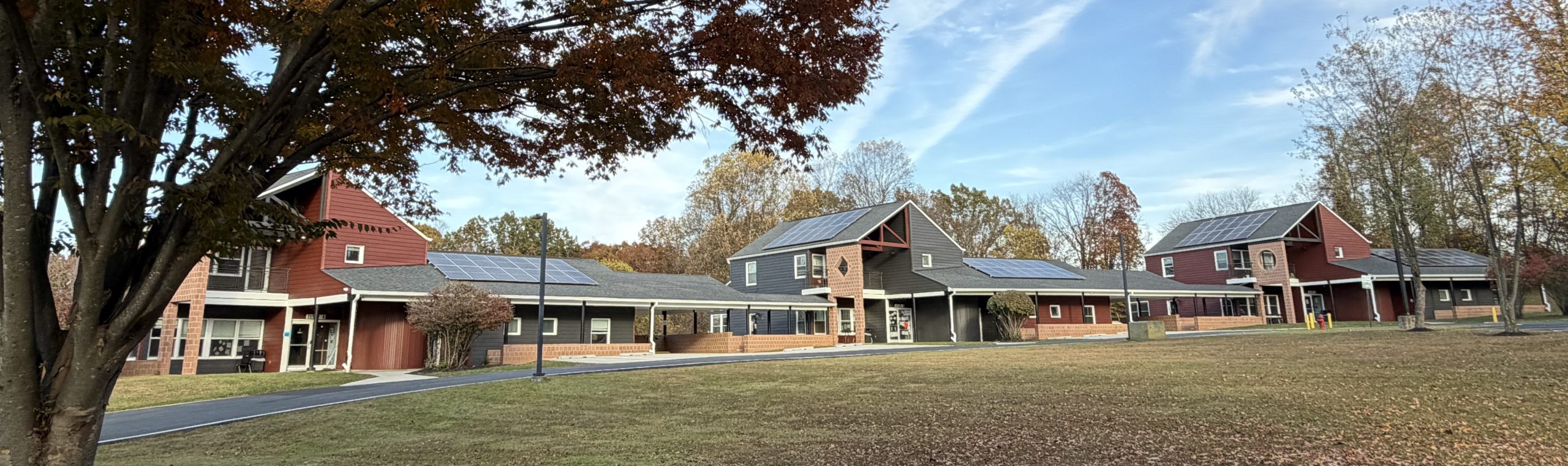
Community School of Maryland
Empowering students with autism through individualized education, evidence-based instruction, and a nurturing environment
About the School
The Community School of Maryland is a 12-month, non-graded residential and day school serving male and female students ages 6–21. CSM is a licensed, non-public educational facility that provides full-day, separate private special education and related services for students with autism.
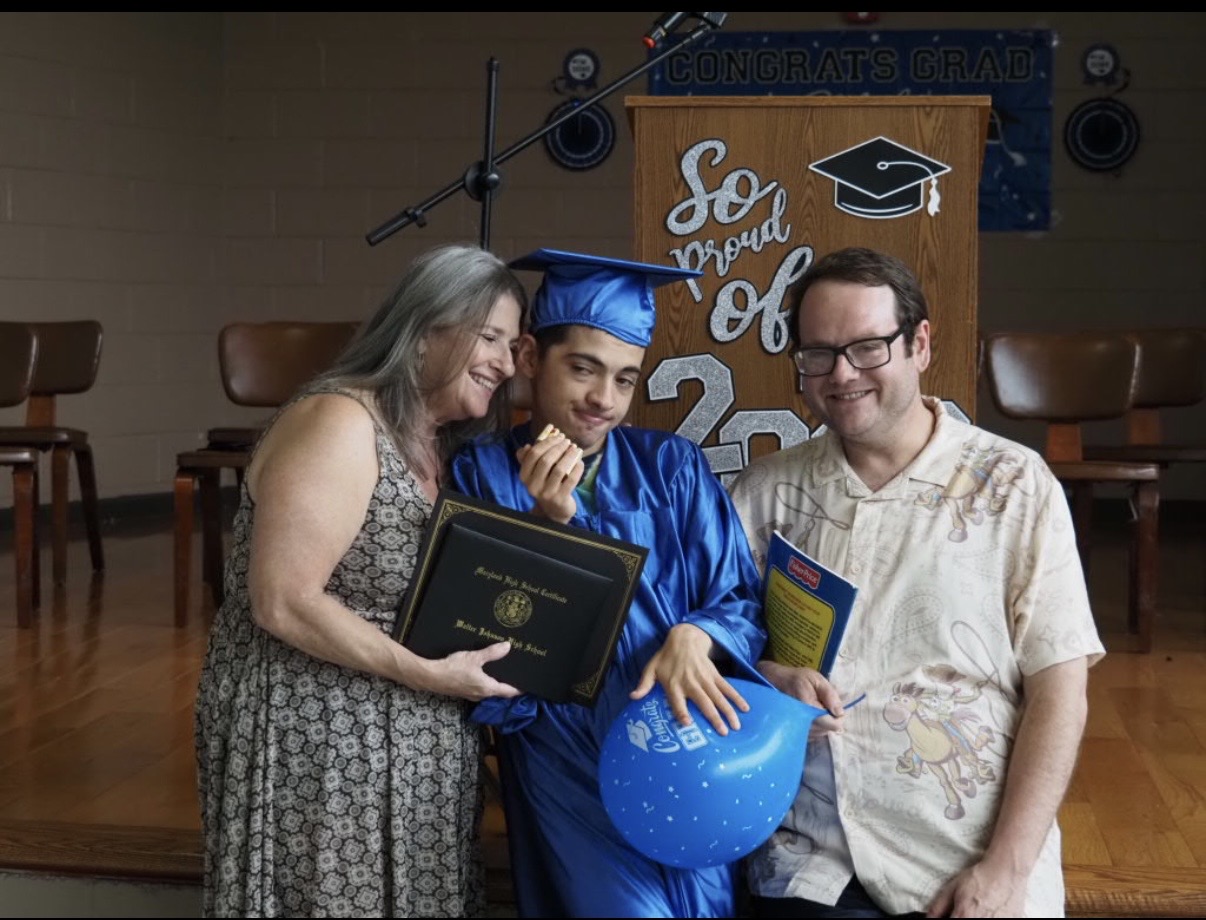
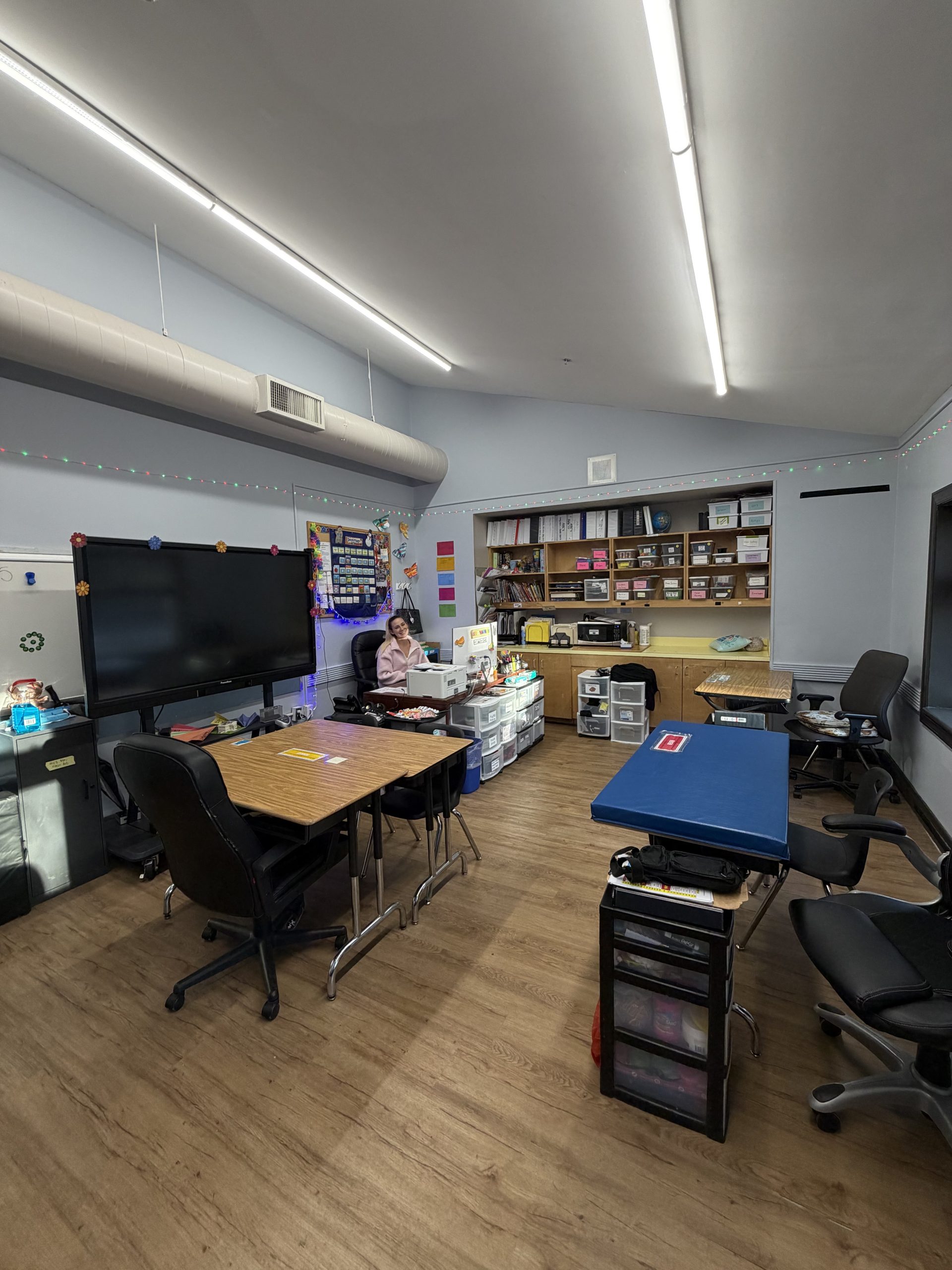
CSM’s goal is to prepare students for active participation in their communities and future employment. The school implements each student’s IEP through evidence-based instruction, transition services, and related services delivered on campus and in community settings. Programming focuses on functional academics, communication, daily living, social and leisure skills, vocational development, and transition planning.
Classrooms serve no more than seven students, with staff-to-student ratios of 1:2 or lower, based on individual needs, and many students receive 1:1 support. The majority of students are on the autism spectrum, with students who have related disabilities considered on a case-by-case basis in accordance with Maryland State Department of Education licensing. Students are placed in classrooms primarily based on age and academic ability.
Individualized Learning for Every Student
The Community School of Maryland provides a highly individualized educational program designed specifically for students with autism. Every student’s program is guided by their Individualized Education Program (IEP) and focuses on developing academic, communication, social, behavioral, functional, and independent living skills.
Learning extends beyond the classroom through community-based instruction, therapeutic supports, transition planning, and real-world experiences that prepare students for adult life and meaningful participation in their communities.
Programs & Services
Learn about the comprehensive programs and services that support every student's growth, independence, and success.
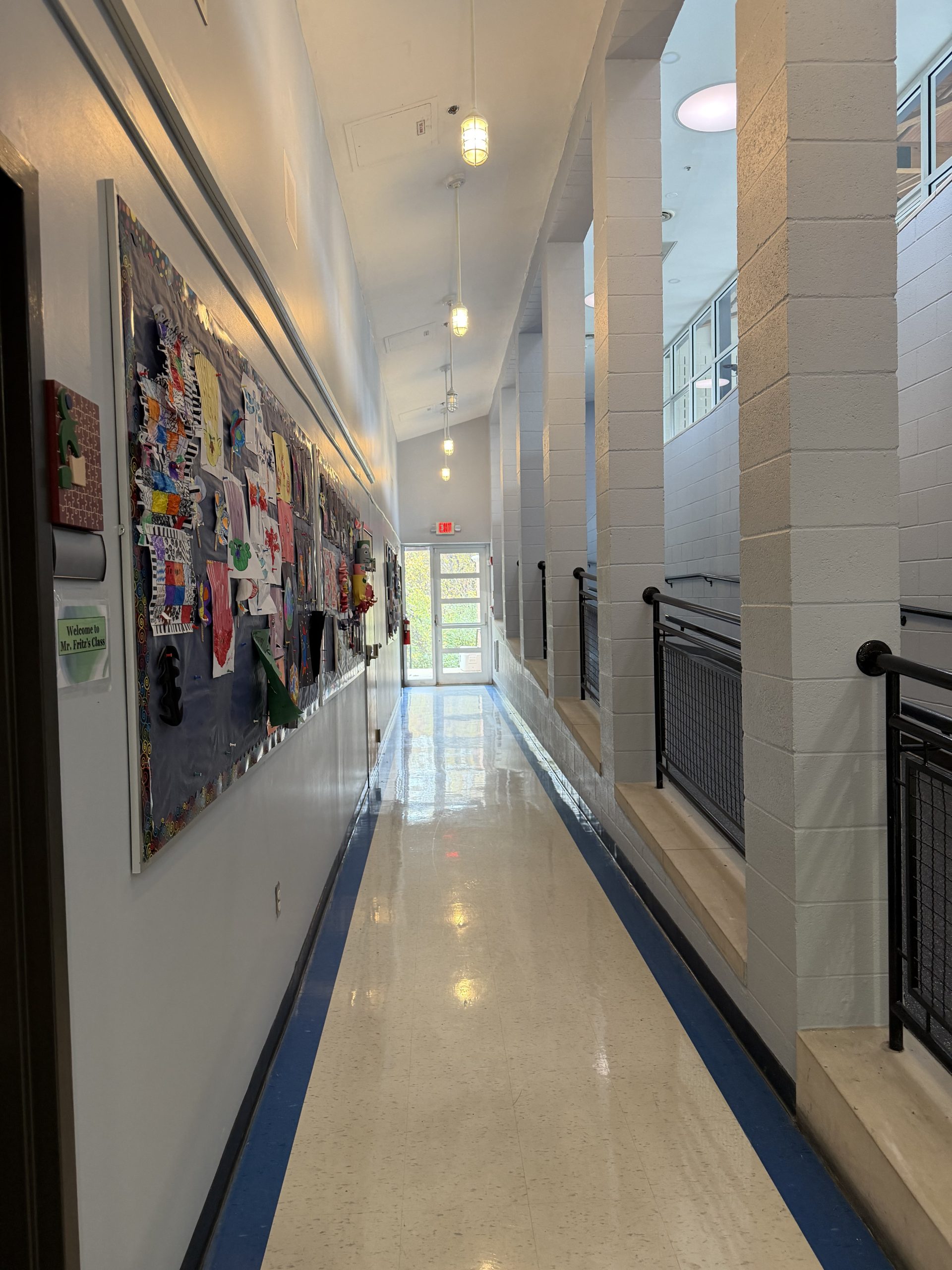
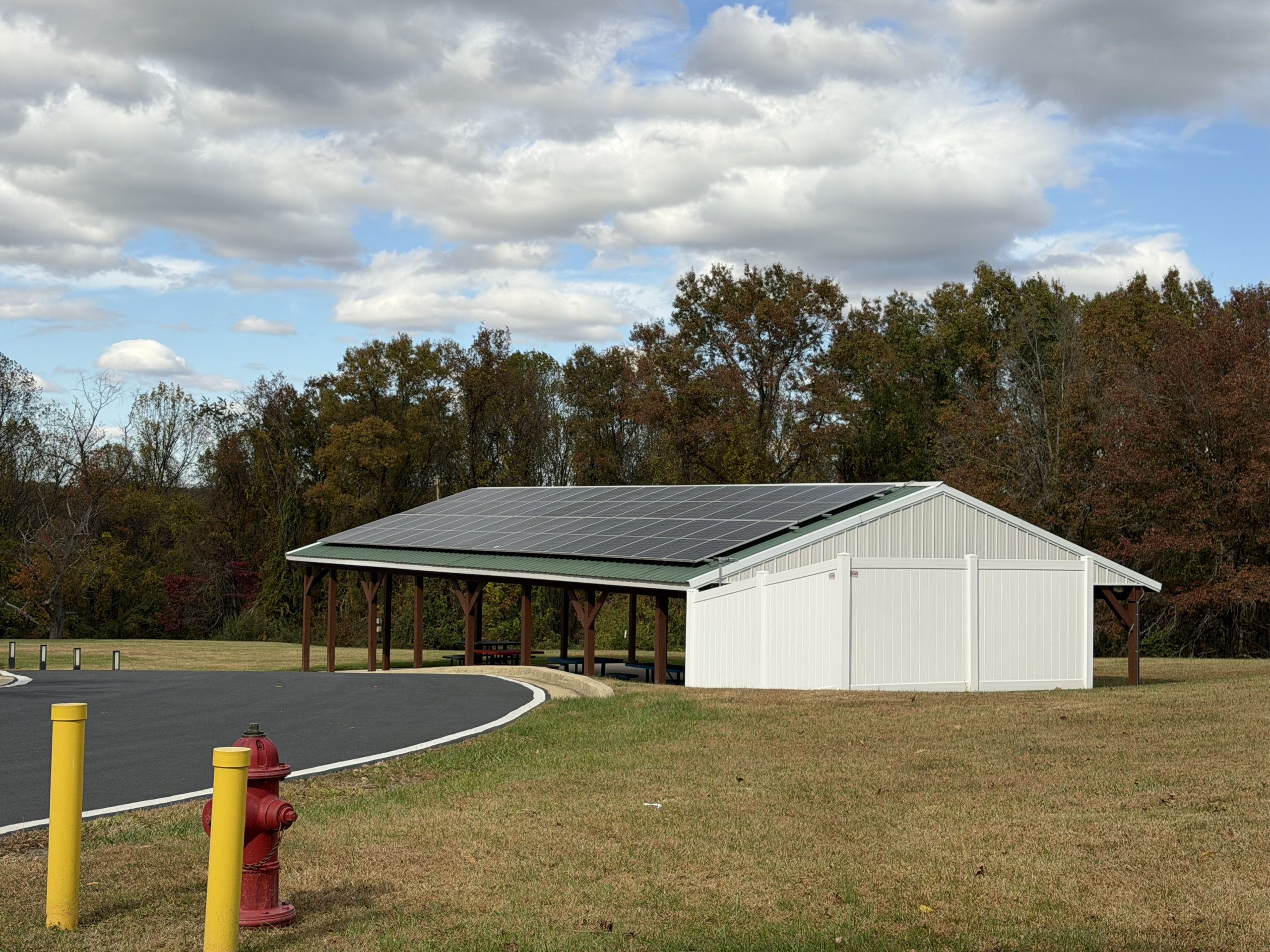
Learning Beyond the Classroom
Students participate in a variety of educational and enrichment experiences throughout the school year including:
The school’s 10-acre campus includes classrooms, sensory spaces, therapy rooms, a gymnasium, library, Life Skills Center, gardens, hiking trails, and outdoor recreation areas designed to support learning throughout the day.
A Safe and Supportive Environment
Student safety and well-being are central to every aspect of the school program. The Community School of Maryland provides:
Behavioral supports emphasize prevention, positive reinforcement, and individualized planning. All policies are in compliance with Maryland State Department of Education regulations.
Applied Behavior Analysis
The Community School of Maryland uses applied behavior analysis to create a proactive, individualized system of behavior support. Every student receives individualized behavioral programming based on their unique strengths and needs. Supports may include:
The goal is to teach new skills, strengthen communication, promote self-regulation, and support meaningful participation in school and community life.
Partnering with Families
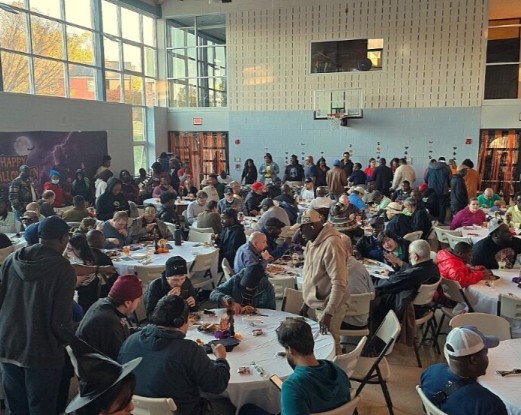
Strong partnerships with families are an important part of each student’s success. Parents are encouraged to participate actively throughout their child’s educational journey.
Families receive ongoing communication through:
Frequently Asked Questions
Who can attend the Community School of Maryland?
Students ages 6–21 with autism who are referred through a public school system or authorized public agency.
Does the school offer residential services?
Yes. Residential services are available for students enrolled in the Community School of Maryland through approved referral sources.
What therapies are available?
Students may receive speech-language therapy, occupational therapy, counseling, and other related services as outlined in their IEP.
How are behavior supports provided?
The Community School of Maryland uses applied behavior analysis as the foundation for our behavioral program. Student behavior plans are individualized to target specific behaviors and to provide supports that are specific to the needs of each individual student.
How do families stay informed?
Families receive regular communication through newsletters, progress reports, IEP meetings, and ongoing collaboration with teachers and related service providers.
Admissions
The Community School of Maryland serves students ages 6–21 with autism in a 12-month day and residential educational program. Students are referred through their local school system or other authorized public agencies. Private-pay admissions are not available.
Referral
A referral packet is submitted by the student’s school district or referring agency.
Admissions Review
An interdisciplinary admissions team reviews educational, behavioral, medical, and assessment records to determine whether the school can appropriately meet the student’s needs.
School Observation & Family Meeting
If appropriate, the admissions team observes the student in their current educational setting and meets with parents or guardians. Families may also tour the campus.
Admissions Decision
The admissions team evaluates all information and determines whether the Community School of Maryland can provide an appropriate educational program.
Enrollment
Once accepted, required educational, medical, and enrollment documentation is completed before the student begins services.
The admissions team will provide families and referring agencies with a complete checklist during the enrollment process.
School Calendar
The Community School of Maryland operates as a 12-month educational program.
Families receive the annual school calendar, including holidays, scheduled closures, professional development days, and important events prior to the beginning of each school year.
Start the Admissions Process
Whether you are a parent, educator, or case manager, our team is here to help you find the right fit.
Brian TureckDirector of Education
Phone: 240-912-3606
Email: btureck@csaac.org