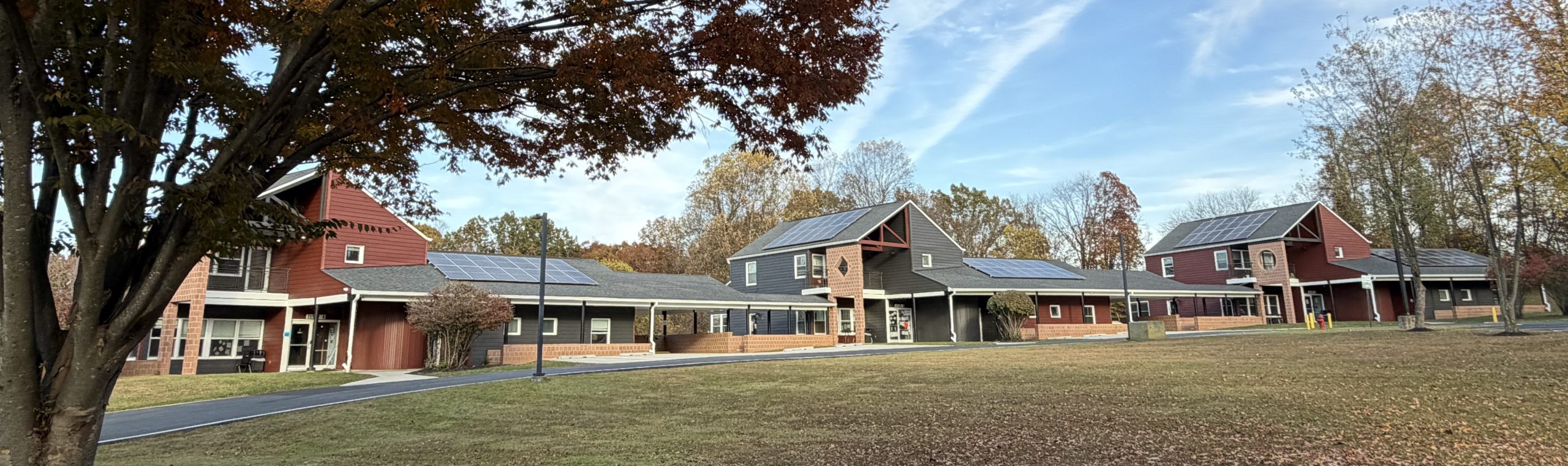
Escuela CSM (Community School of Maryland)
Brindando a estudiantes con autismo una educación individualizada, enseñanza basada en evidencia y un entorno donde puedan aprender, crecer y desarrollar su máximo potencial.
Acerca de la Escuela
La Escuela CSM (Community School of Maryland ) es una escuela residencial y de día, con un programa de 12 meses y sin grados escolares tradicionales, que atiende a estudiantes de ambos sexos de entre 6 y 21 años de edad. CSM es una institución educativa privada de educación especial, autorizada por el estado de Maryland, que ofrece educación especializada durante toda la jornada escolar y servicios relacionados para estudiantes con autismo.
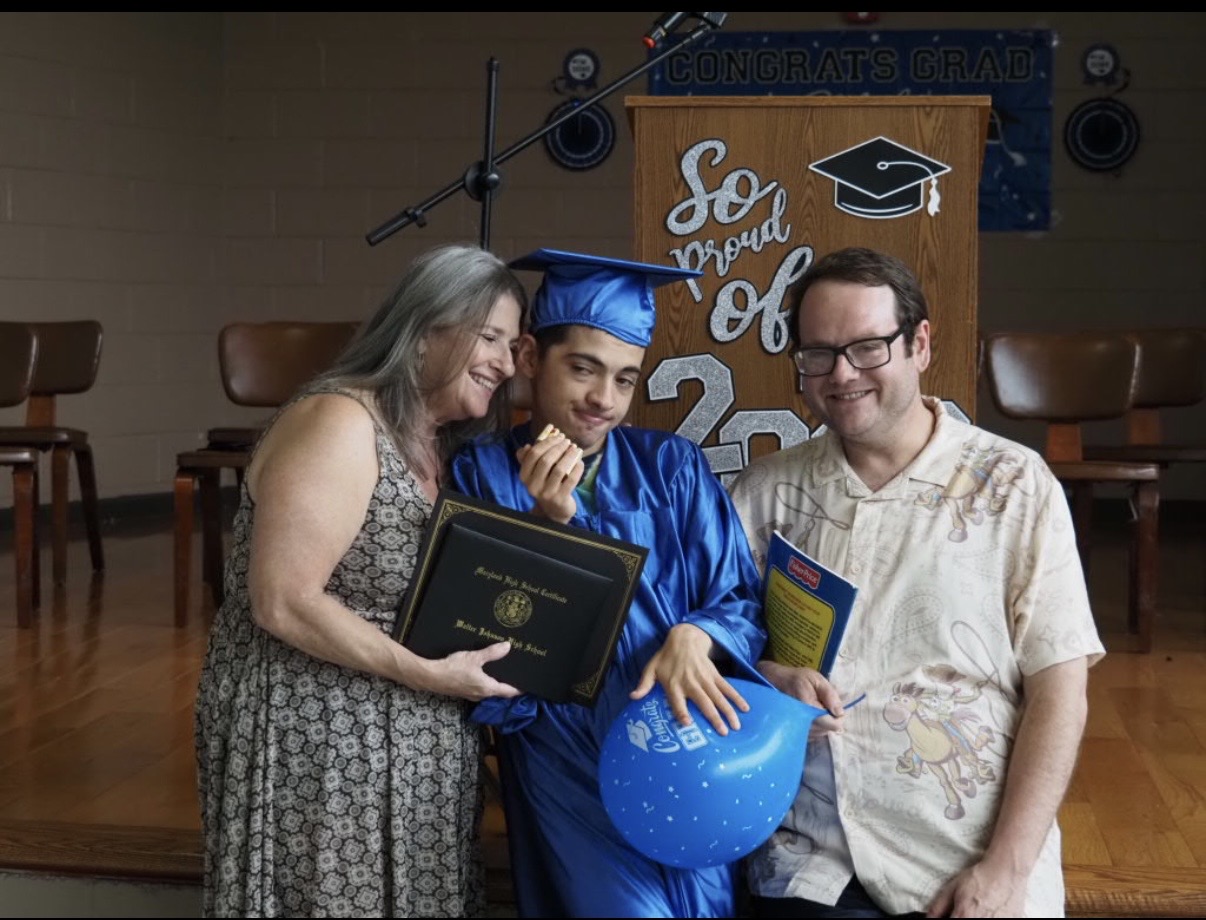
El objetivo de CSM es preparar a los estudiantes para participar activamente en sus comunidades y para futuras oportunidades de empleo. La escuela implementa el Programa Educativo Individualizado (IEP) de cada estudiante mediante enseñanza basada en evidencia, servicios de transición y servicios relacionados, tanto en el campus como en entornos comunitarios. Su programación se centra en el desarrollo de habilidades académicas funcionales, comunicación, destrezas para la vida diaria, habilidades sociales y recreativas, desarrollo vocacional y planificación para la transición a la vida adulta.
Cada salón de clases atiende a un máximo de siete estudiantes, con una proporción de personal por estudiante de 1:2 o menor, según las necesidades individuales. Muchos estudiantes reciben apoyo individualizado 1:1. La mayoría de los estudiantes tienen un diagnóstico de autismo; aquellos con discapacidades relacionadas son considerados caso por caso, de acuerdo con los requisitos de autorización del Departamento de Educación del Estado de Maryland. La asignación a las aulas se realiza principalmente según la edad y las habilidades académicas de cada estudiante.
Aprendizaje Individualizado para Cada Estudiante
La Community School of Maryland ofrece un programa educativo altamente individualizado, diseñado específicamente para estudiantes con autismo. El programa de cada estudiante está guiado por su Programa Educativo Individualizado (IEP) y se enfoca en el desarrollo de habilidades académicas, de comunicación, sociales, conductuales, funcionales y para la vida independiente.
El aprendizaje va más allá del salón de clases mediante instrucción basada en la comunidad, apoyos terapéuticos, planificación para la transición y experiencias prácticas que preparan a los estudiantes para la vida adulta y para una participación activa y significativa en sus comunidades.
Programs & Services
Learn about the comprehensive programs and services that support every student's growth, independence, and success.
Aprendizaje más allá del Salón de Clases
A lo largo del año escolar, los estudiantes participan en una amplia variedad de experiencias educativas y de enriquecimiento, entre ellas:
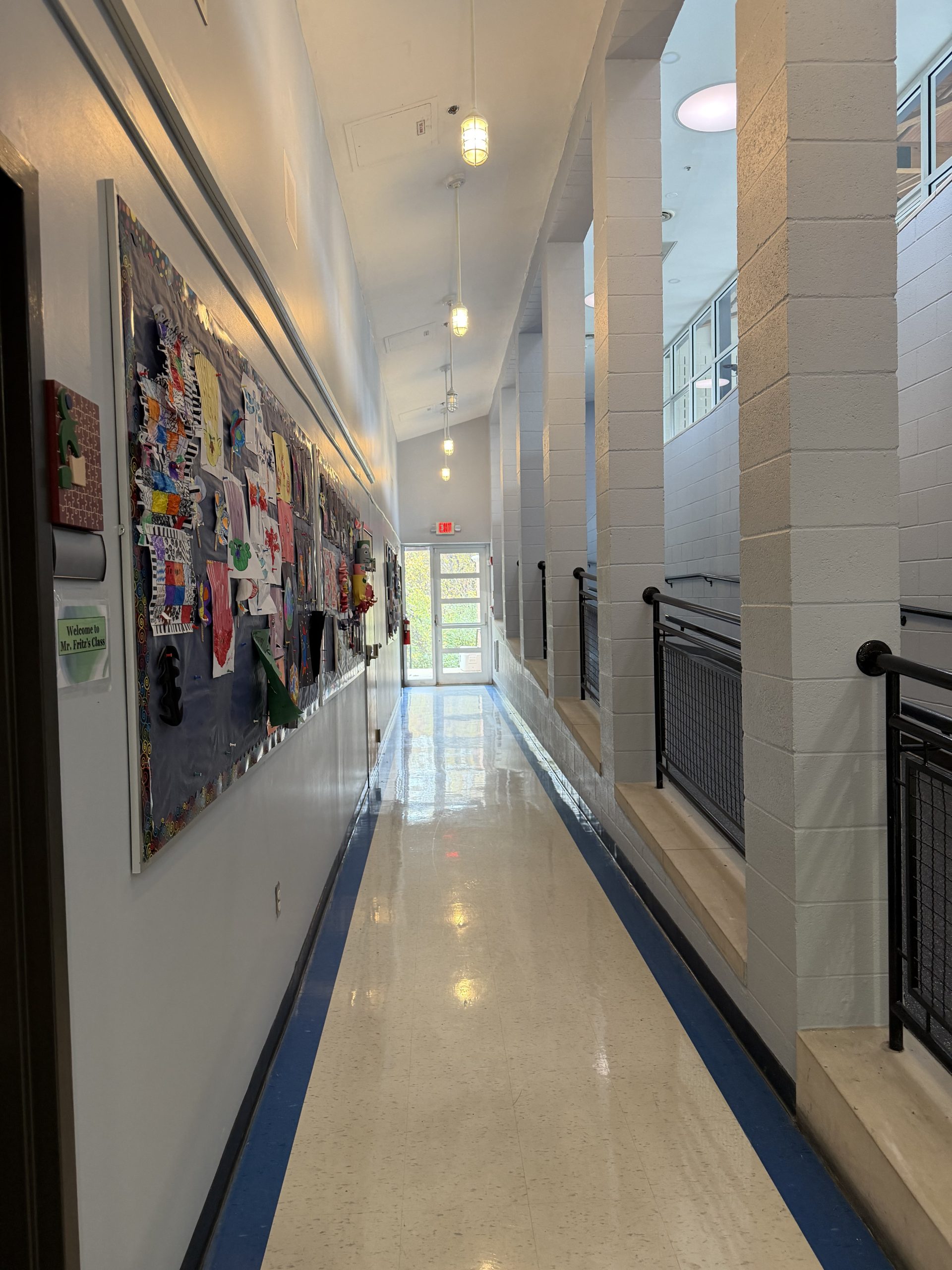
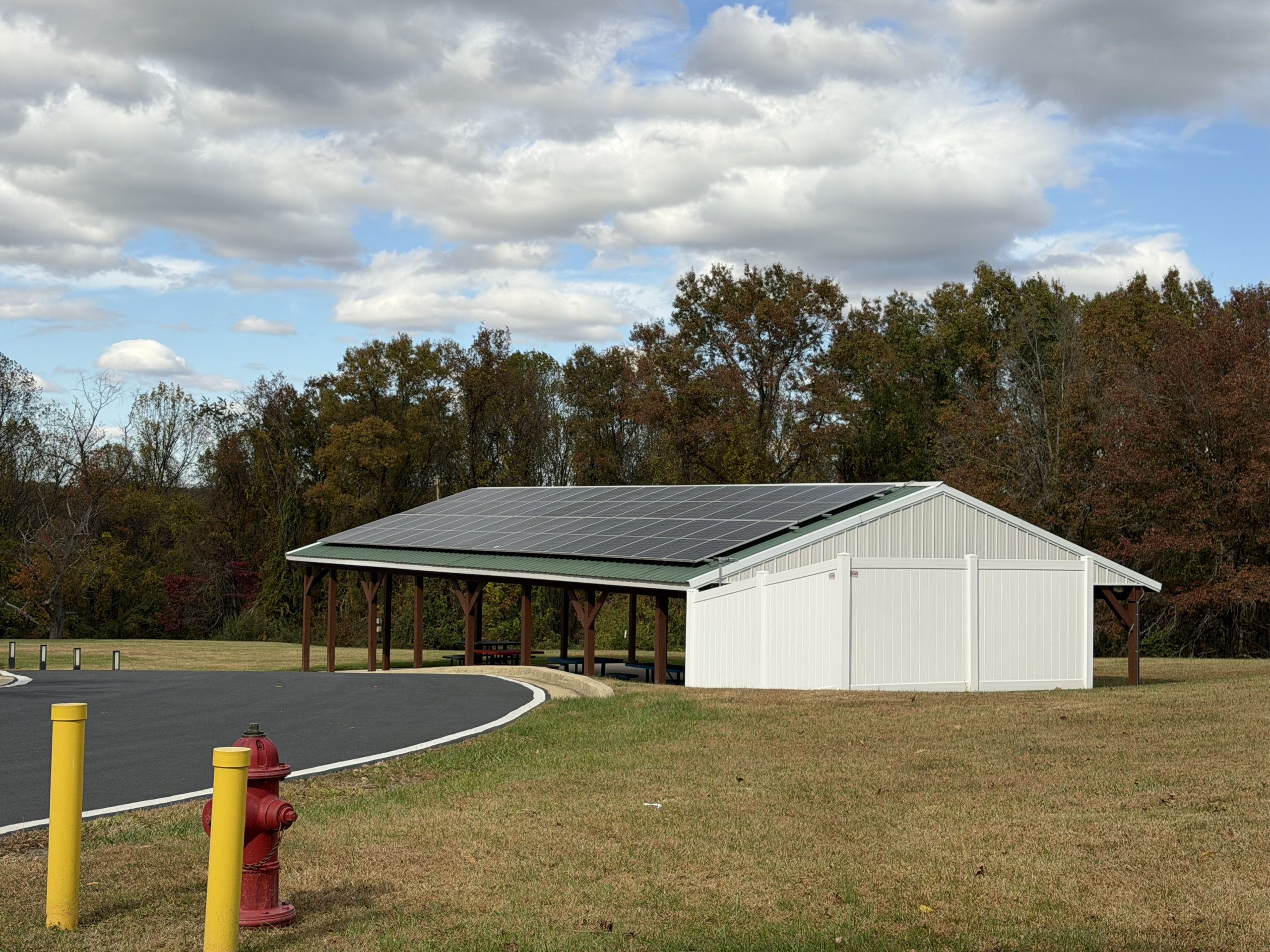
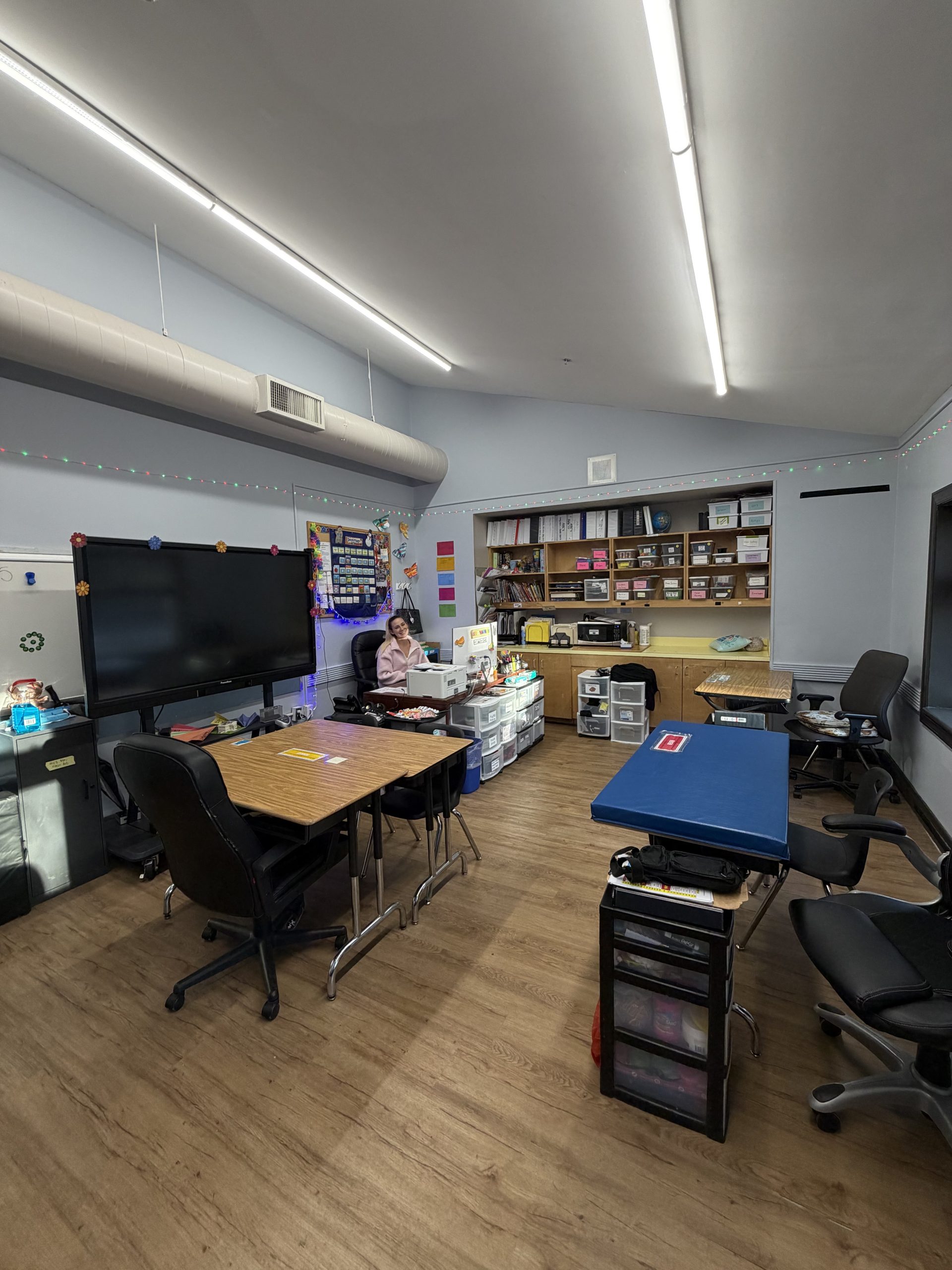
Las instalaciones de la escuela, ubicadas en un terreno de 10 acres, incluyen salones de clases, espacios sensoriales, salas de terapia, un gimnasio, una biblioteca, un Centro de Habilidades para la Vida Diaria, jardines, senderos naturales y áreas recreativas al aire libre, diseñadas para apoyar el aprendizaje y el desarrollo de los estudiantes durante toda la jornada escolar.
Un Entorno Seguro y de Apoyo
La seguridad y el bienestar de los estudiantes son fundamentales en todos los aspectos del programa escolar. Escuela CSM ofrece:
Los apoyos conductuales se enfocan en la prevención, el refuerzo positivo y la planificación individualizada. Todas las políticas cumplen con las regulaciones del Departamento de Educación del Estado de Maryland.
Análisis Conductual Aplicado (ABA)
La Community School of Maryland utiliza el Análisis Conductual Aplicado (ABA) para desarrollar un sistema proactivo e individualizado de apoyo conductual. Cada estudiante recibe una programación conductual personalizada, diseñada de acuerdo con sus fortalezas, necesidades y objetivos individuales.
El objetivo es enseñar nuevas habilidades, fortalecer la comunicación, promover la autorregulación y favorecer la participación activa y significativa de los estudiantes en la escuela y en la comunidad.
Trabajando en Alianza con las Familias
La colaboración con las familias es una parte fundamental del éxito de cada estudiante. En la Community School of Maryland, se anima a los padres y cuidadores a participar activamente durante todo el proceso educativo de sus hijos.
Las familias reciben comunicación continua a través de:
Preguntas Frecuentes
¿Quiénes pueden asistir a la Community School of Maryland?
Estudiantes de entre 6 y 21 años con autismo que sean referidos por un sistema escolar público o una agencia pública autorizada.
¿La escuela ofrece servicios residenciales?
Sí. Los servicios residenciales están disponibles para los estudiantes matriculados en la Community School of Maryland que hayan sido referidos a través de las fuentes de referencia aprobadas.
¿Qué terapias están disponibles?
Los estudiantes pueden recibir terapia del habla y del lenguaje, terapia ocupacional, consejería y otros servicios relacionados, de acuerdo con lo establecido en su Programa Educativo Individualizado (IEP).
¿Cómo se brindan los apoyos conductuales?
La Community School of Maryland utiliza el Análisis Conductual Aplicado (ABA) como base de su programa de apoyo conductual. Los planes de apoyo conductual se desarrollan de manera individualizada para atender las necesidades específicas, fortalecer habilidades y promover el éxito de cada estudiante.
¿Cómo se mantienen informadas las familias?
Las familias reciben comunicación continua mediante boletines informativos, informes de progreso, reuniones del Programa Educativo Individualizado (IEP) y una colaboración permanente con los maestros y los profesionales de servicios relacionados.
Admisiones
La Escuela CSM (Community School of Maryland) atiende a estudiantes con autismo de entre 6 y 21 años mediante un programa educativo residencial y de día que opera durante 12 meses al año. Los estudiantes son referidos por su sistema escolar local u otras agencias públicas autorizadas. No se ofrecen admisiones mediante pago privado.
Referencia
El sistema escolar del estudiante o la agencia remitente presenta la documentación requerida para iniciar el proceso de admisión.
Revisión de Admisión
Un equipo interdisciplinario de admisiones revisa los expedientes educativos, conductuales, médicos y las evaluaciones para determinar si la escuela puede satisfacer adecuadamente las necesidades del estudiante.
Observación del Estudiante y Reunión con la Familia
Cuando corresponde, el equipo de admisiones observa al estudiante en su entorno educativo actual y se reúne con los padres o tutores. Las familias también pueden realizar un recorrido por las instalaciones de la escuela.
Decisión de Admisión
El equipo de admisiones evalúa toda la información recopilada para determinar si la Community School of Maryland puede ofrecer un programa educativo apropiado para el estudiante.
Inscripción
Una vez que el estudiante es aceptado, debe completarse toda la documentación educativa, médica y de inscripción requerida antes de que pueda comenzar a recibir los servicios.
El equipo de admisiones proporcionará a las familias y a las agencias que realizan la referencia una lista completa de los documentos requeridos durante el proceso de inscripción.
Calendario Escolar
La Comunidad Escolar de Maryland ofrece un programa educativo durante los 12 meses del año.
Las familias reciben el calendario escolar anual antes del inicio de cada ciclo escolar, el cual incluye días festivos, cierres programados, jornadas de desarrollo profesional y eventos importantes.
Inicie el Proceso de Admisión
Nuestro equipo está disponible para orientar a padres, madres, tutores, educadores y administradores de casos para encontrar el programa que mejor responda a las necesidades del estudiante.
Brian TureckDirector de Educación
Teléfono: 240-912-3606
Correo electrónico: btureck@csaac.org
Dirección: 21515 Zion Road, Brookeville, Maryland 20833